The Nature of Luck in Gambling
Luck is often viewed as a mysterious force that influences outcomes, particularly in games of chance found in casinos. While some players attribute their wins to good fortune, others approach gambling with strategies aimed at maximizing their chances of success. The concept of luck can be subjective, and its role in gambling can vary greatly depending on the game’s structure, especially when considering options for casino fast withdrawal and how they affect player experiences. In reality, while luck plays a crucial role, skill and strategy often intersect with it in complex ways, creating a multifaceted gaming experience for players.
Consider slot machines, which operate entirely on random number generators. Here, luck is the sole determinant of whether a player wins or loses. The same can be said for games like roulette, where the outcome is also dictated by chance. However, in games like poker or blackjack, players can influence outcomes through strategy and decision-making, indicating that luck cannot be solely responsible for wins or losses in every casino game. This differentiation highlights the necessity of understanding how various games function regarding luck and skill.
Moreover, the perception of luck can also affect a player’s behavior. Some gamblers may experience “hot streaks,” where they feel consistently lucky, leading them to take more risks. Conversely, a “cold streak” can induce a negative mindset, causing players to withdraw or gamble recklessly in an attempt to reclaim their losses. This psychological aspect highlights the embedded complexity of luck in gambling environments and emphasizes the need for players to maintain a balanced approach to their gaming habits.
The Mathematical Perspective
Mathematically speaking, luck is often quantified through probabilities and odds. Each game in a casino has a built-in house edge, which is the advantage the casino maintains over the player. This advantage is calculated based on countless probabilities that inform how often specific outcomes occur. Understanding these odds can help players make informed choices and potentially improve their gaming experiences, revealing that while luck is integral, it operates within a mathematical framework that can be analyzed and understood.
For example, in blackjack, the house edge can be reduced significantly through optimal play and strategic betting. Players who understand basic strategy charts can calculate when to hit, stand, or double down based on the mathematical probabilities of their hands versus the dealer’s. Thus, while luck can impact individual rounds, skillful play can ultimately tip the scales in favor of the player in the long run. This interplay between luck and mathematical strategy is essential for players aiming to enhance their gaming outcomes.
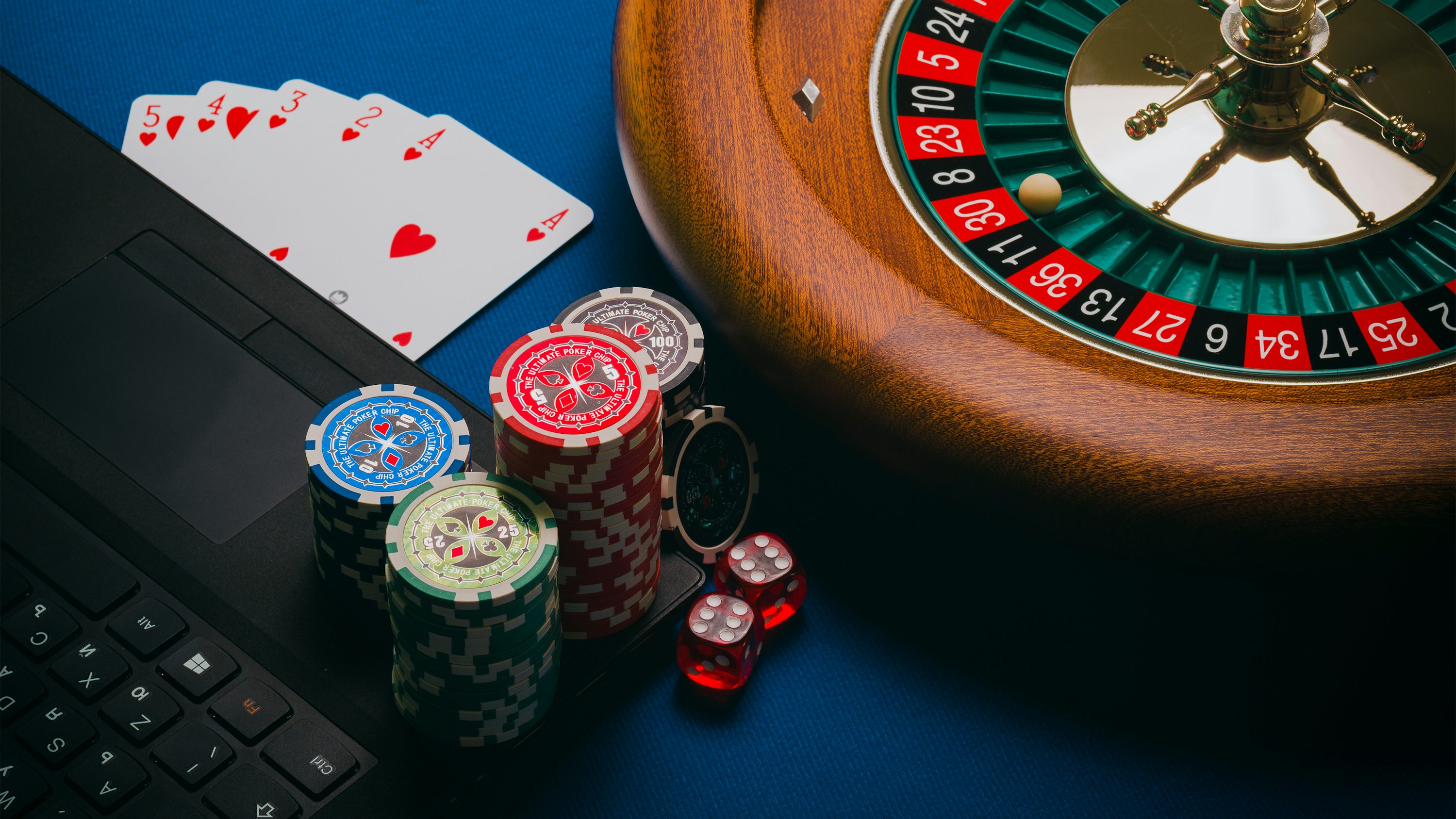
This fusion of luck with mathematics suggests that while players cannot predict the outcome of a single game, they can calculate the likelihood of certain outcomes over time. This understanding can empower players to approach gambling not only as an entertainment option but as a calculated risk where informed decisions can improve the odds of success, even amidst the chaos of chance. Developing a foundational understanding of these principles can allow players to navigate the casino landscape more effectively.
The Role of Randomness in Casino Games
Randomness is the backbone of casino games, contributing significantly to the element of luck. Most games rely on random events—like dice rolls, card shuffles, or wheel spins—ensuring that every game is independent from the last. This random nature means that even experienced players may not predict outcomes accurately, reinforcing the notion that luck is a primary factor in gambling success. However, each game is designed with mechanisms that ensure fairness and unpredictability, contributing to a player’s overall experience and potential enjoyment.
The use of Random Number Generators (RNGs) in electronic games like video slots ensures that every spin is unique and random. This technology eliminates patterns that players might exploit, which further emphasizes the unpredictability associated with luck. In contrast, traditional games such as poker allow for some level of strategy and psychological play, where seasoned players can mitigate luck’s randomness through their skill set and knowledge of the game, thus navigating the inherent uncertainty more effectively.
Ultimately, while the random components create an exciting and suspenseful environment, they also highlight the challenge of relying solely on luck. Players may experience fluctuations in their fortunes, but understanding how randomness operates within each game can provide insights that help them navigate their gambling journeys more effectively, balancing the thrill of chance with strategic thinking. This balance can lead to a more fulfilling and potentially successful gambling experience.
Psychological Effects of Luck on Gamblers
The psychological impact of perceived luck is notable in the gambling world. Players often develop superstitions or rituals they believe influence their luck. For instance, some gamblers may wear certain clothing or follow a sequence of actions (like tapping the machine) to invoke “good luck.” This behavior illustrates how strongly the concept of luck can affect decision-making and emotional responses during gambling sessions, leading to a dynamic interplay between luck and psychology that shapes the gambling experience.

Balancing luck and emotional investment can influence players’ choices and outcomes. The phenomenon of “loss aversion” means that players may react more intensely to losses than to equivalent gains, prompting them to chase their losses in hopes of regaining what they lost. This behavior can turn a simple game into a psychological struggle against the perceived whims of luck, often leading to problematic gambling patterns that require awareness and management. Understanding these psychological aspects is crucial for both players and casinos.
Understanding these psychological aspects is crucial not only for players seeking to control their gambling habits but also for casinos aiming to foster a responsible gaming environment. By addressing players’ emotional connections to luck, casinos can implement programs that enhance player well-being, promoting healthier gambling practices that recognize the unpredictable nature of both luck and human behavior. This awareness can lead to a more responsible and enjoyable gaming atmosphere for everyone involved.
Conclusion: The Interaction Between Luck and Strategy
In conclusion, calculating luck in casinos is an intricate interplay of chance, strategy, and psychological perception. While luck undeniably plays a pivotal role, particularly in games dictated by chance, strategic decision-making can significantly influence outcomes in other games. Understanding the balance between these elements allows players to approach gambling with a more informed mindset, ultimately enhancing their experience and potentially improving their outcomes.
Players should embrace the unpredictable nature of luck while also considering the strategic opportunities available to them. This dual approach not only enriches their understanding of the games but can also improve their chances of success. As gambling continues to evolve, the interaction of luck, skill, and psychology remains a fascinating area of exploration that keeps the thrill alive in casinos.
For those looking to delve deeper into the world of gambling and strategy, our website offers comprehensive resources and insights. From understanding the odds to exploring different games and strategies, we aim to equip players with the knowledge they need to navigate their gambling journeys, ensuring a more responsible, enjoyable, and potentially rewarding experience in the exciting world of casinos. By fostering informed gameplay, we contribute to a more engaging and sustainable gambling culture.